9 min read
In this article
- How to use this checklist
- The twelve points
- 1. A valid trade licence that covers contracting
- 2. Real projects you can see
- 3. A written scope of work and a bill of quantities (BOQ)
- 4. Approved drawings before any work
- 5. Permits, and municipality inspections before foundations and the concrete slab
- 6. Payments tied to stages
- 7. Warranty terms in writing
- 8. A timeline and a delay clause
- 9. A clear variations procedure
- 10. Site safety and cleanliness
- 11. Handover documents
- 12. Who answers after handover?
- Quick warning signs
- Your next step
- Frequently asked questions
- Do I need a supervising consultant to build an annex?
- When does the municipality inspect the work during construction?
- How do I know whether a quotation is fair?
- How are payments made if I am funded by MBRHE?
- What should I ask the contractor for at handover?
Choosing your annex contractor is the most important decision in the whole project. It shapes the quality of the build, the safety of your budget and how comfortable the next few months will be. Here are twelve practical points to check before you sign, whether you are looking for an annex contractor in Dubai to build a new annex, a majlis or an extension, and whether you pay yourself or fund the work through Mohammed bin Rashid Housing Establishment (MBRHE).
How to use this checklist
Copy the points into a message and ask every contractor you shortlist to answer them in writing. A contractor who is confident in their work will not mind the questions, and written answers make offers far easier to compare than a conversation. If you cannot judge a technical point yourself, ask an independent engineer or the relevant authority, because every case has its own details.
The twelve points
1. A valid trade licence that covers contracting
Ask for a copy of the trade licence. Check that its activities include contracting and building works, that it has not expired, and that the name on it matches the name that will appear on the contract and invoices. Do not rely on a picture posted on social media; verify the licence with the licensing authority itself. Our company is registered in Dubai as Mustafa & Ibrahim Technical Services LLC.
2. Real projects you can see
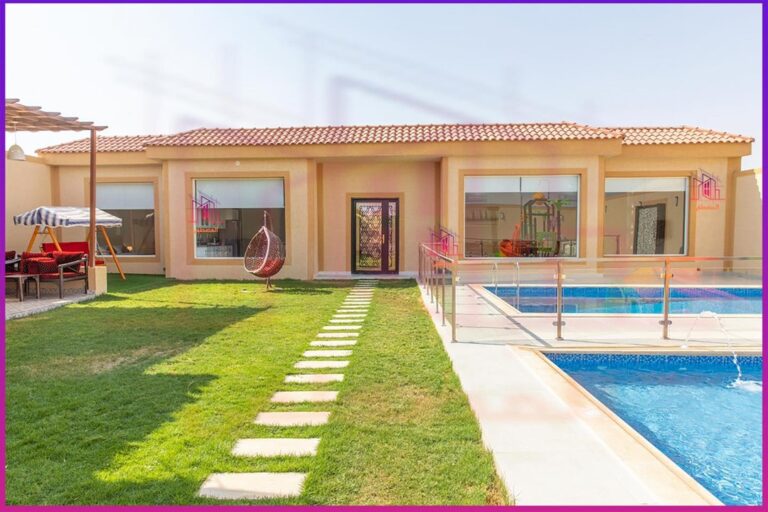
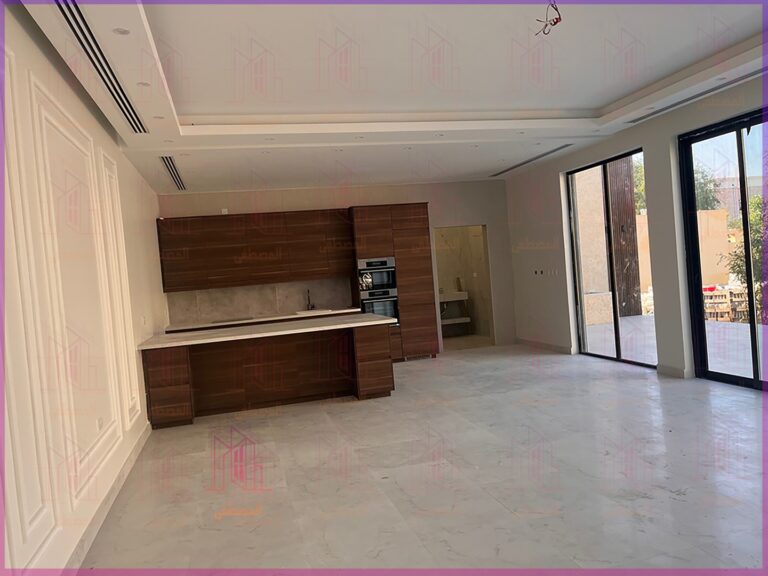
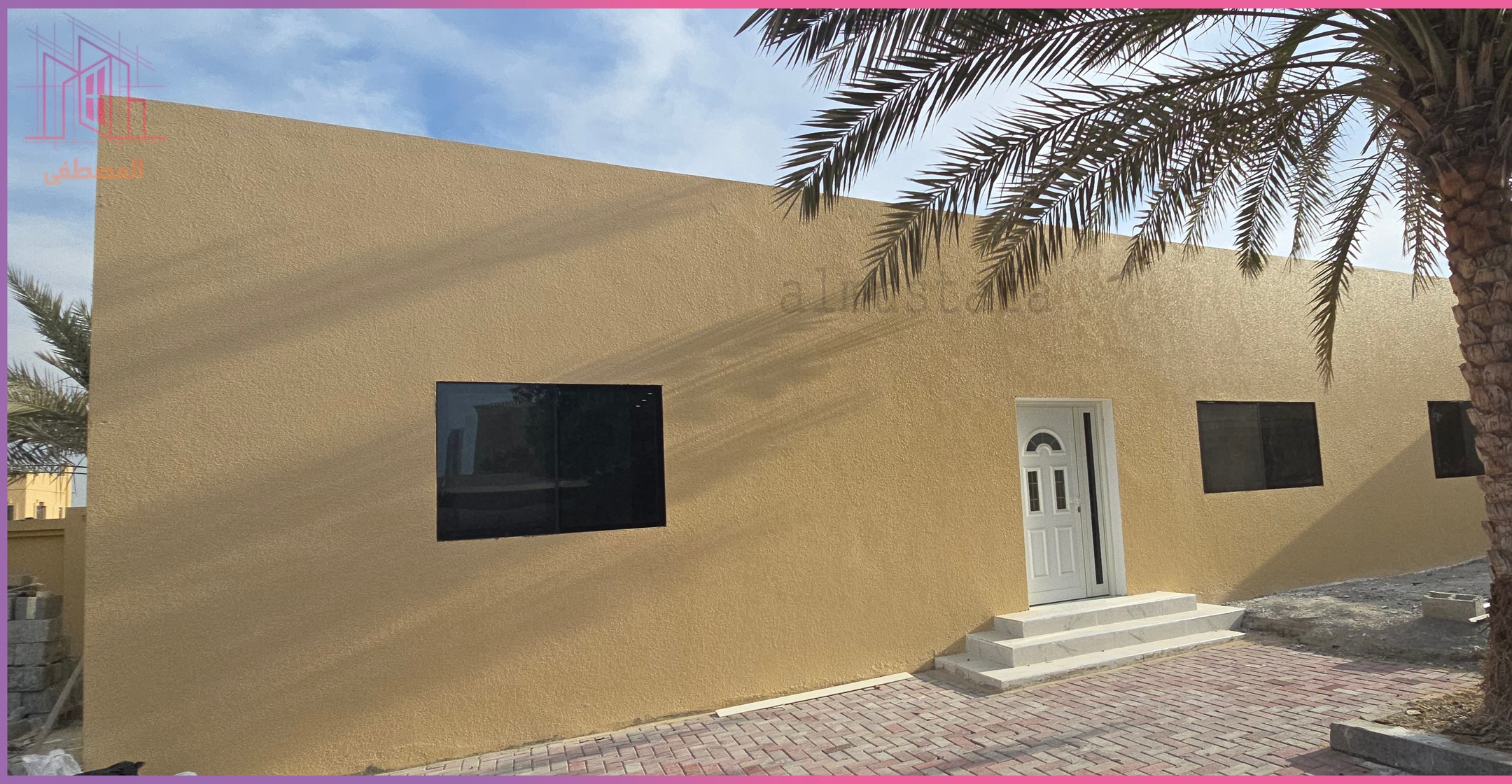
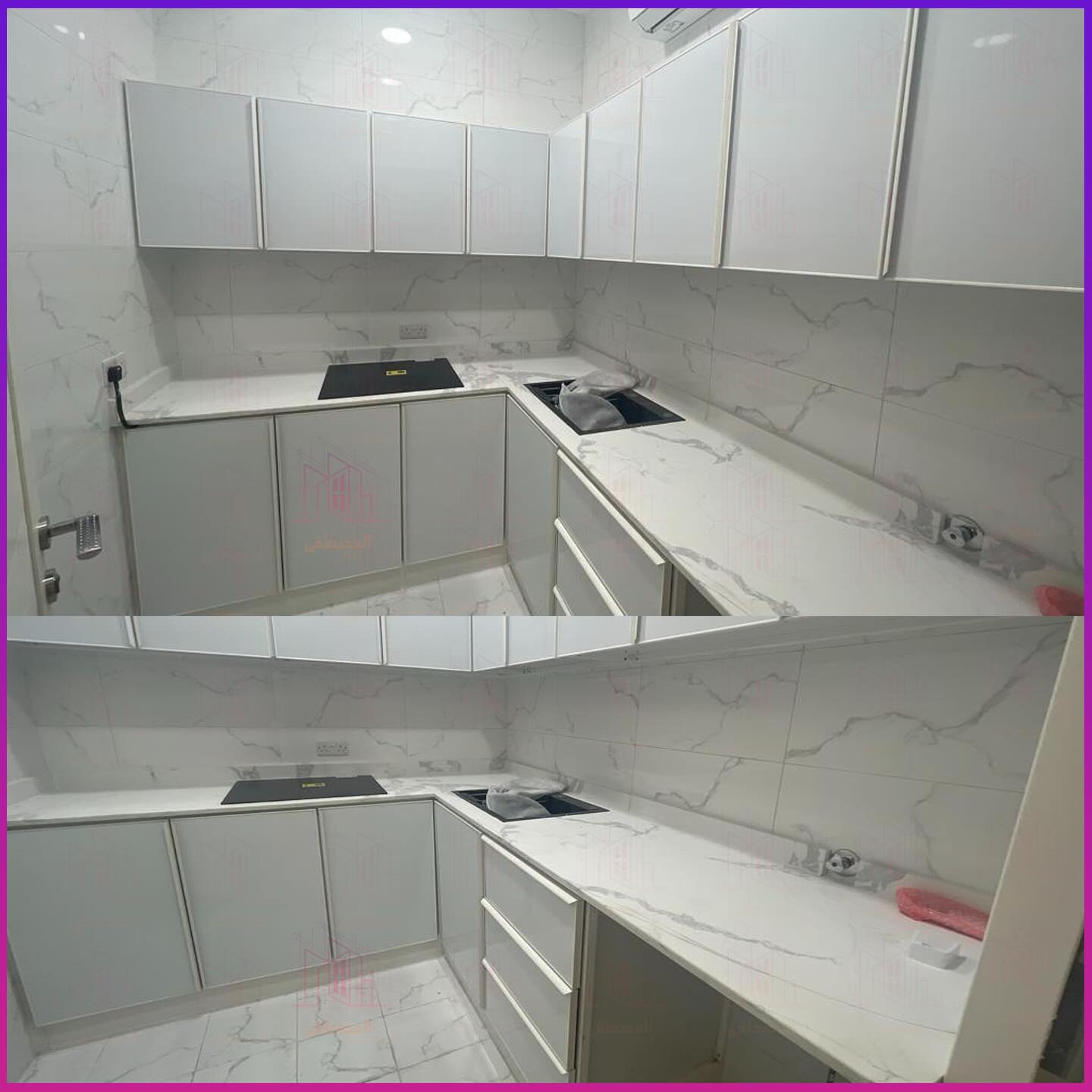
Ask for examples of annexes similar to yours in size, roof type and finish, and prefer completed projects to scattered photos. Ask for the district, and whether you can speak to a previous client or visit a site with their permission. Our projects gallery shows built annexes in different sizes, including a three-bedroom villa annex in Al Barsha 3 and a two-bedroom annex with a hall and kitchen in Al Quoz.
3. A written scope of work and a bill of quantities (BOQ)
An offer that only says "two-bedroom annex with a hall" is not enough. You need a clear scope that states what the work includes and excludes, the type of walling, insulation and roof, the finishes (floors, paint, doors, aluminium), the electrical and plumbing works, and the air conditioning and who supplies it. A BOQ ties each item to a quantity and a price, so you can see where the money goes and compare two offers properly. To understand what drives cost, read our guide to annex building costs in Dubai, and try the free annex cost calculator app for a first estimate before you collect any offers.
4. Approved drawings before any work
Digging and building should only start once architectural, structural and services drawings are approved by the relevant authorities. Ask who prepares them (the contractor or an independent engineering office), whether they are included in the offer or priced separately, and how many revisions are allowed before approval. Check the drawings yourself: room sizes, door and window positions, bathroom locations. Moving a wall on paper is far easier than demolishing it after it is built. If you already have an unlicensed building, start with our guide to licensing an existing annex or building in Dubai.
5. Permits, and municipality inspections before foundations and the concrete slab
Ask plainly: who obtains the permits, and what steps will your project go through? In Dubai, a Dubai Municipality engineer inspects the site and must approve the work before the foundations are cast and before a concrete roof slab is cast. This slab inspection does not apply to a sandwich-panel roof, because there is no slab to cast. If a contractor suggests casting before the inspection "to save time", treat it as a serious warning sign. A supervising consultant is generally not required for small projects such as an annex or a majlis, but confirm the requirements for your case with the engineering office or the authority.
6. Payments tied to stages
The golden rule: no payment before a stage is completed and approved. Avoid contracts that ask for a large advance with no work behind it. With MBRHE funding, payments are linked to approved stages:
- Grant: MBRHE pays the contractor for each approved stage.
- Loan: it goes through Emirates Islamic. The bank pays the contractor in stages, you repay the bank monthly, and MBRHE bears the profit on the amount it approved.
The full details are in our guide to building an annex with MBRHE support. If you are paying yourself, ask for a written payment schedule that names each stage and the condition for payment, and check the site yourself before you pay.
7. Warranty terms in writing
"We give a warranty" means nothing unless it is written down. Ask the contract to state what the warranty covers (roof, insulation, damp, plumbing, electrical), how long each item is covered, what is excluded, and how a defect is reported, who responds and how quickly. Warranty periods and terms vary from one contractor to another, so compare these details before you compare prices. For sandwich-panel roofs we provide a 10-year roof warranty and a heat-insulation guarantee, as described in our article on annexes with a sandwich-panel roof.
8. A timeline and a delay clause
Ask for a schedule of stages with a start and end for each, not just one total duration. Then ask what happens if the work is late because of the contractor, and what happens if official approvals are late. A good contract separates the two: it sets a remedy for delay caused by the contractor and extends the time for delay outside their control. Do not rely on verbal promises about duration; it changes with the type of annex, the design and the speed of approvals.
9. A clear variations procedure
Something will occur to you during construction: a wall removed, a window enlarged, a better finish. The problem is not the change but a change that is never written down. Agree in advance that every variation is recorded on a dated sheet signed by both sides, stating the effect on price and time, and is not carried out until it is approved. This protects both contractor and owner and prevents disputes at the final payment.
10. Site safety and cleanliness
If possible, visit one of the contractor's sites while work is under way. Do the workers wear protective equipment? Are materials stored in order? Is the site cleaned regularly and the debris removed? Remember the site is inside your family home, so ask how the contractor will protect neighbours, walkways and existing facilities, where materials will be kept, and which working hours suit you. A tidy site usually points to tidy work.
11. Handover documents
Do not treat the project as finished because the paint is dry. Before the final payment, ask for the building completion certificate from the municipality if the project had a permit, proof of the electricity inspection and permanent meter, the final drawings as built, the original warranties for insulation, paint, air conditioning, water heaters and similar items, and the operating manuals. Each funder has its own list, so ask them in advance.
12. Who answers after handover?
Questions appear after handover: a small leak, a door that needs adjusting, a crack in the paint. Before signing, ask who is responsible for maintenance, how to reach them, and the usual response time. Does the contractor have a team that follows up after handover, or is the file closed when the final payment arrives? A contractor with existing projects you can visit is easier to reach when you need them.
Quick warning signs
- A large advance payment and a thin contract.
- Reluctance to show the licence or previous projects.
- An offer far below the others with no explanation of its items, which usually means something is missing from the scope.
- A suggestion to start before the drawings are approved, or to cast before the municipality inspects.
- A verbal warranty or vague phrases such as "long warranty".
Your next step
Start with a first estimate so you know the size of the budget, then ask two or three contractors for offers and compare them against this list. You can use the free annex cost calculator app, then message us on WhatsApp +971585812370 to arrange a site visit and a detailed offer. Read about our services and browse our completed projects before you decide.
Frequently asked questions
Do I need a supervising consultant to build an annex?
For small projects such as an annex or a majlis, a supervising consultant is generally not required. The work is still subject to municipality inspections and review by the relevant authorities, so confirm the requirements for your case with the engineering office or the authority.
When does the municipality inspect the work during construction?
In Dubai, a Dubai Municipality engineer inspects the site and the work must be approved before the foundations are cast and before a concrete roof slab is cast. The slab inspection does not apply to a sandwich-panel roof. Procedures may vary with the project, so ask the contractor or the authority about the steps for yours.
How do I know whether a quotation is fair?
Do not compare the total figure alone. Compare the scope of work, the bill of quantities, the materials, the finishes, the warranty and the duration. For a first estimate use our free app, then ask for a detailed offer after a site visit, because the final price cannot be set before the site is seen.
How are payments made if I am funded by MBRHE?
With a grant, MBRHE pays the contractor for each approved stage. With a loan, funding goes through Emirates Islamic and the bank pays the contractor in stages; you repay the bank monthly and MBRHE bears the profit on the approved amount. Conditions and amounts are set by MBRHE alone.
What should I ask the contractor for at handover?
The building completion certificate if the project had a permit, proof of the electricity inspection and permanent meter, the final drawings, the original warranties for materials and appliances with their manuals, and the works warranty in writing.
Planning your next project?
Talk to the Al Mustafa team for advice and a quotation for your project in the UAE.